
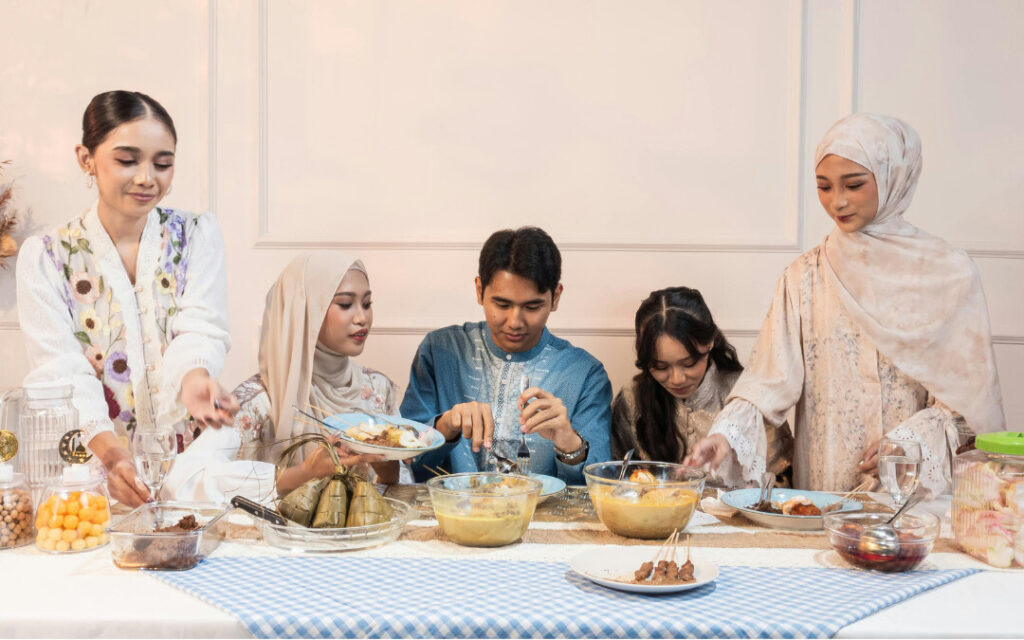
There is a particular kind of tired that comes after Raya. Not the bad kind. The full kind.
The guests have gone home. The kuih tins are nearly empty. The baju raya has been folded. And the house, slowly, comes back to itself. So do we. If we let it.
I’ve been working in wellness long enough to know that we talk a lot about preparing for celebration. But we don’t talk enough about recovery. About what happens after.
Because for most women, Raya is both joyful and exhausting. And those two things live in the same body at the same time.
Let’s be honest about what actually goes into it.
The mental load of planning and organizing
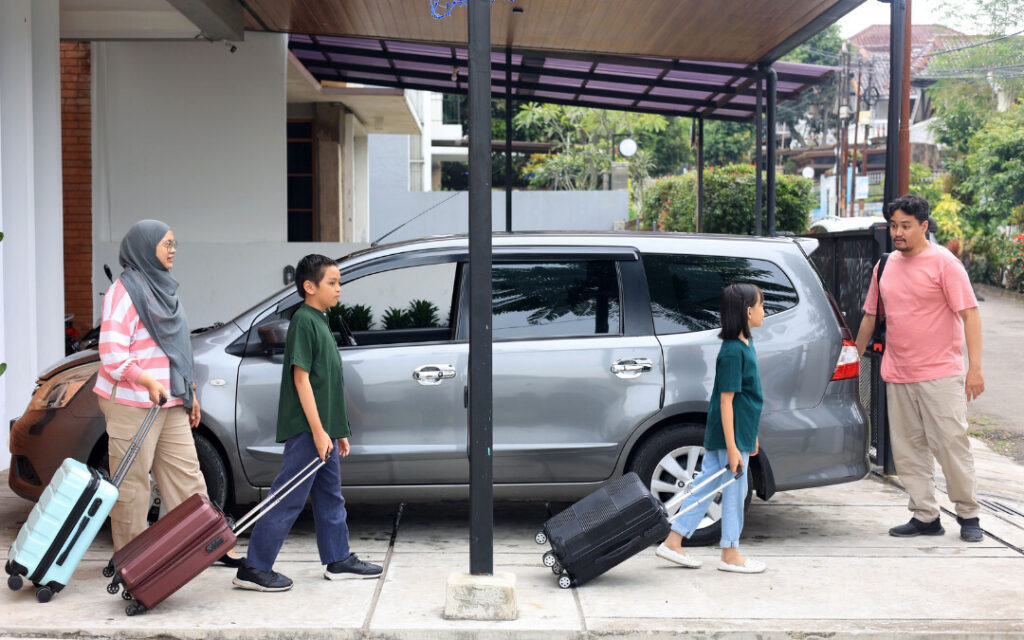
Weeks before Raya even arrives, the planning starts. The baju for everyone. Which side of the family first. How many houses in one day. Who’s bringing what dish. The road trip logistics. Snacks for the kids. Who sits where in the car. What time to leave so traffic isn’t terrible. Gifts, duit raya, kuih, the works.
That is mental load. Real, significant, cumulative mental load. And most of it sits quietly on the shoulders of women without anyone noticing or naming it.
Then the body takes over. The cooking and cleaning that comes before guests arrive. The hours on the road. The sleeping in unfamiliar beds, or not sleeping much at all. Eating at odd hours, richer food than usual, less water than the body needs. Carrying children, carrying bags, carrying conversations.
By the time Raya is over, many women are running on the last 10%.
And then life resumes. Work restarts. School restarts. The house needs to go back to normal. And somewhere in there, no one really asks: how are you doing? Did you get to rest?
This is what I want to talk about. Not in a way that takes away from the joy of Raya, because the joy is real and worth celebrating. But in a way that acknowledges the full picture.
The body keeps score. It doesn’t care that the occasion was beautiful. Fatigue is fatigue. A dysregulated nervous system doesn’t take holidays. And when we push through without recovery, it shows up later, as irritability, low energy, getting sick the week after, feeling flat when you expected to feel fine.
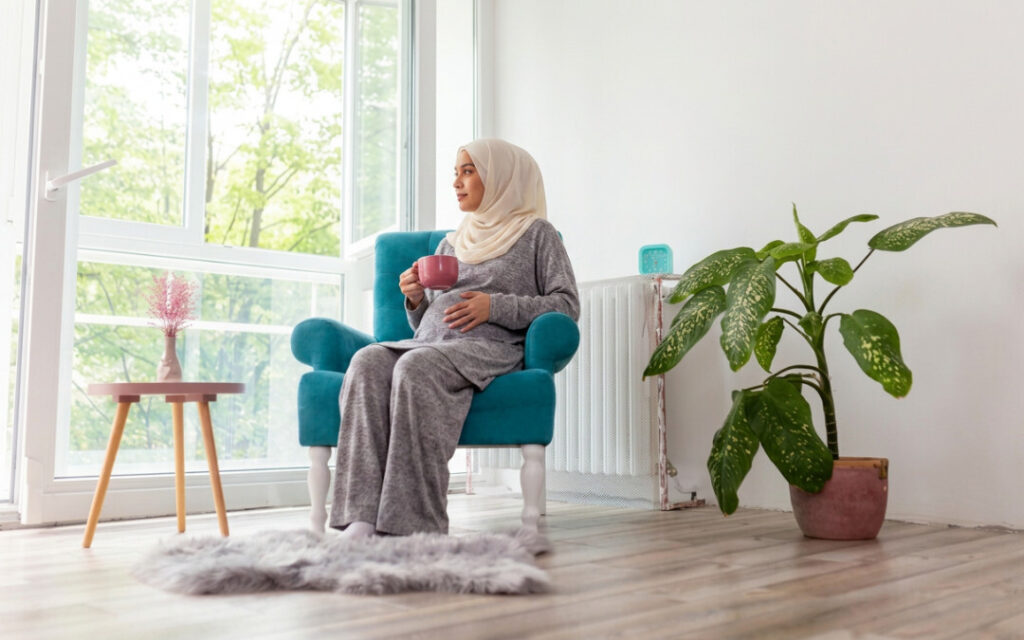
Recovery doesn’t have to be elaborate.
Drink water consistently for a few days. Eat simply. Sleep earlier than you think you need to. Take a slow walk, not a workout. Let the house return to order at a comfortable pace, not a frantic one.
In our culture, we’ve always had recovery rituals, even if we didn’t call them that. The warm herbal bath. The minyak urut after a long journey. The cup of teh halia passed between hands. The clean fresh bed after days away.
These are ways of telling the body: it’s over now. You can rest.
If you are a mother or the woman who holds the family together during festive seasons, this is for you. Your contribution during Raya was not invisible, even when it felt that way. The effort was real. The tiredness is valid.
You are allowed to recover properly. Not just until you can function again. But actually, genuinely rest.
Raya was beautiful. And now, gently, you are allowed to come home to yourself.
